

When dealing with the complexities of healthcare, information is king. But information alone isn’t enough. A depth of understanding is…
Learn More
Every aspect of a patient’s medical record is critical in guiding treatment decisions. At Physicians Educating People, we provide professional…
Learn More
At Physicians Educating People, we understand that there are times when people have a question as to whether or not…
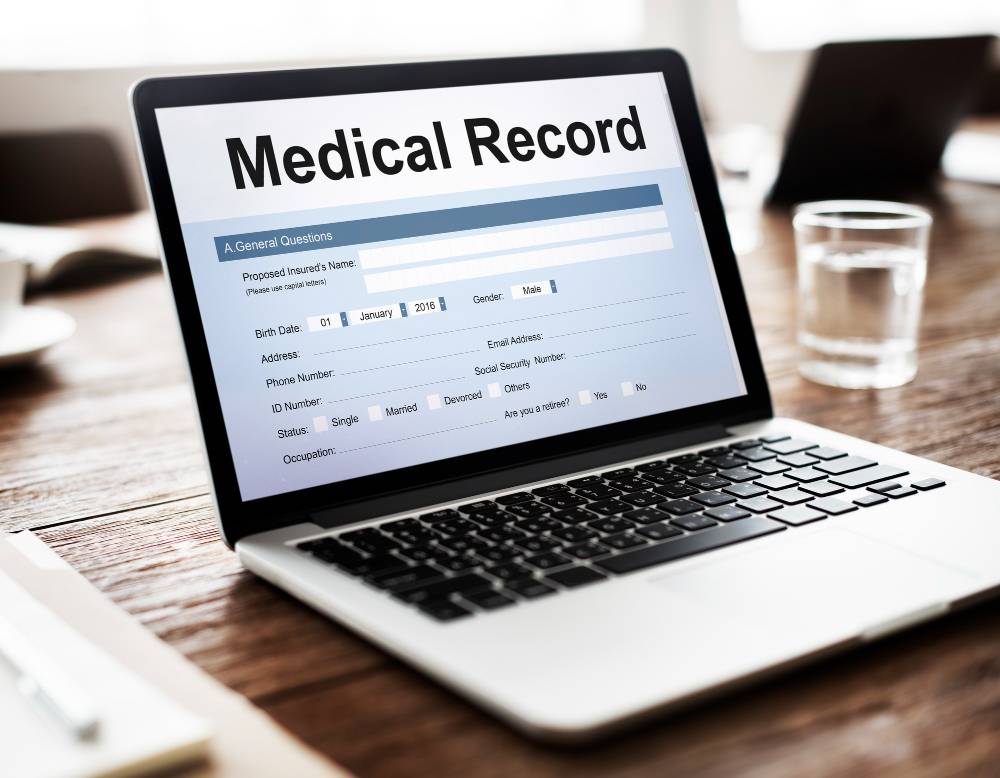
Learn MoreMedical records can make or break a personal injury case, yet most people don't fully understand what goes into reviewing them. These documents tell the story of an injury, but interpreting them correctly takes specialized knowledge. At Physicians Educate People, we provide medical record review for personal injury cases that help attorneys, insurers, and claimants see the full clinical picture. Keep reading to understand what this process involves and why it matters so much to the outcome of a case.
A medical record review isn't a quick skim through hospital notes. It requires a systematic examination of every document related to the injury, from the initial emergency room visit through ongoing rehabilitation. Reviewers analyze physician notes, diagnostic imaging reports, lab results, surgical records, and physical therapy documentation. They look for connections between the documented injuries and the incident in question. This means cross-referencing dates, comparing diagnoses across providers, and identifying whether the treatment matches what you'd expect for the claimed injury. A trained reviewer also translates complex medical terminology into language that attorneys and adjusters can use in negotiations or court proceedings. The goal is to build a clear timeline that shows exactly what happened to the patient's body and how providers responded. Without this level of detail, cases rely on assumptions rather than evidence.
Not all medical records hold equal value in personal injury litigation. Emergency room records establish the immediate aftermath of an incident. They capture the patient's condition at a critical moment and document the first clinical impressions of injury severity. Diagnostic imaging reports from X-rays, MRIs, and CT scans provide objective proof of structural damage that no one can dispute. Surgical notes detail the exact procedures performed and explain why intervention was necessary. These records carry substantial weight because they describe findings in real time, before anyone considered a lawsuit. Physician narratives also matter, especially when they describe the mechanism of injury or connect symptoms to a specific event. Records from specialists hold value because they demonstrate that the injury required expert-level care. Insurance companies and defense attorneys scrutinize these documents closely, so having a thorough review for medical records makes sure that nothing gets overlooked or misinterpreted.
Experienced reviewers know what patterns signal problems in a personal injury claim. Pre-existing conditions that mirror current complaints raise immediate questions about causation. If a patient had chronic back pain documented for years before a car accident, the defense will argue the accident didn't cause the injury. Reviewers flag these situations early so legal teams can prepare responses. Delayed treatment creates another concern. A two-week gap between an accident and a doctor visit suggests the injury wasn't severe enough to demand immediate attention. Inconsistent statements across records also draw scrutiny. When a patient describes their pain level differently to an orthopedist than they did to a physical therapist, opposing counsel will exploit the discrepancy. Reviewers also watch for treatment that seems excessive or inconsistent with the diagnosis. Twelve weeks of chiropractic care for a minor soft tissue injury will invite challenges about medical necessity. Another red flag involves records that lack objective findings. Subjective complaints without supporting diagnostic evidence weaken a claim considerably. Professional review for medical records catches these issues before they derail settlement negotiations or trial preparation.
A complete medical record review arms legal teams with the information they need to build persuasive arguments. Attorneys use review findings to calculate damages accurately, including future medical costs that stem from permanent impairment. They identify which treating physicians would make compelling witnesses and which records to emphasize during depositions. A detailed review also reveals weaknesses in the opposing side's position. If defense medical examiners downplayed injury severity, a thorough review exposes inconsistencies between their conclusions and the documented clinical findings. This prevents surprises during litigation. Insurers benefit as well because they can evaluate claims fairly and reserve appropriate amounts for settlement. Claimants gain clarity about the strength of their case and realistic expectations for outcomes. The review transforms scattered medical documents into a coherent narrative that supports each party's decision-making. Cases that proceed with an incomplete understanding of the medical evidence waste time and resources. Those that begin with comprehensive analysis move toward resolution with clear direction.
Medical records contain the evidence that determines whether a personal injury claim succeeds or fails. Every diagnosis, treatment note, and imaging report contributes to the story of what happened and what it cost the injured party. Gaps in documentation, inconsistent statements, and timing issues can undermine an otherwise valid claim. Thorough analysis identifies these problems early and provides the foundation for an effective legal strategy. Physicians Educate People provides medical record review services that give attorneys, insurers, and claimants the clarity they need. Our team examines every relevant document, flags potential concerns, and presents findings in a format that supports case development. We bring clinical expertise to the review process because understanding medicine matters as much as understanding law in these cases. Contact us today to request a review and see how professional analysis can strengthen your next personal injury case.

Taking on a medical case without being aware of what the records say can cause you to build…
Read More
A single line in a medical chart can change a case. Physicians Educate People has built our work around
Read More
Staring at pages of medical records filled with terms you don't recognize can leave you with more questions…
Read More